
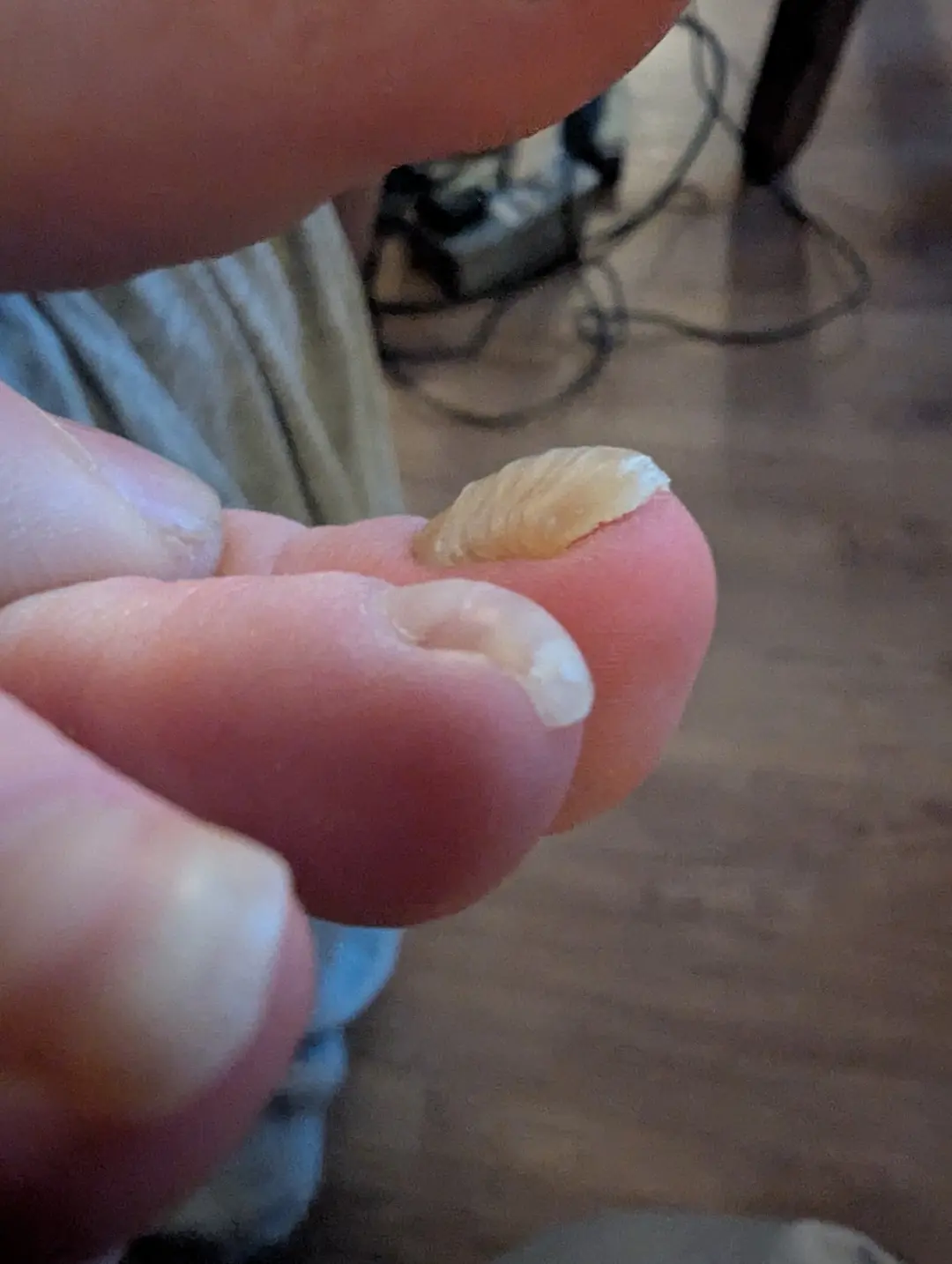
Big toe /Finger nails - Layered keratin growth
Your Title Goes Here
Your content goes here. Edit or remove this text inline or in the module Content settings. You can also style every aspect of this content in the module Design settings and even apply custom CSS to this text in the module Advanced settings.
What is it?
Layered Keratin Growth
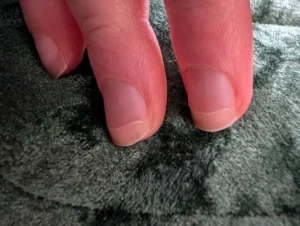
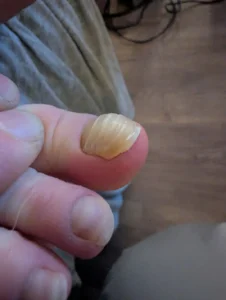
Archie's toenails, particularly the big toes, produce multiple layers of keratin rather than a single smooth nail plate. This results in nails that gradually become thicker and develop visible horizontal ridges.
The smaller toenails naturally curl around the ends of the toes (known as involuted or curved toenails), increasing the risk of pressure against the surrounding skin.
This pattern is commonly seen in individuals with severe cerebral palsy due to altered muscle tone, reduced movement, reduced natural wear of the nails, and prolonged pressure on the feet.
Current observations
- Thickened, layered nail growth.
- Curved smaller toenails.
- No signs of infection at present.
- Continue monitoring for any changes in colour, thickness or shape.
Nail Care
Cutting Guidelines
To reduce the risk of ingrown toenails and skin injury:
- File the top of the nail to reduce the size.
- Leave the corners slightly longer
- Do NOT round the edges
- Do NOT dig under the sides
- Soak foot in warm water 10–15 mins before cutting
What to Monitor
Skin changes
- Redness around the nail
- Swelling
- Tenderness or discomfort
- Broken skin
- Bleeding
Possible infection
- Increasing redness
- Warm skin around the nail
- Pus or fluid discharge
- Bad smell
- Rapid worsening over several days
- Fever or unexplained illness associated with a toe infection
Nail changes
- Nail growing into the surrounding skin
- Rapid increase in thickness
- Nail lifting away from the nail bed
- Cracking or splitting
- New yellow, brown or black discolouration
- Sudden change in nail shape
Your Title Goes Here
Your content goes here. Edit or remove this text inline or in the module Content settings. You can also style every aspect of this content in the module Design settings and even apply custom CSS to this text in the module Advanced settings.
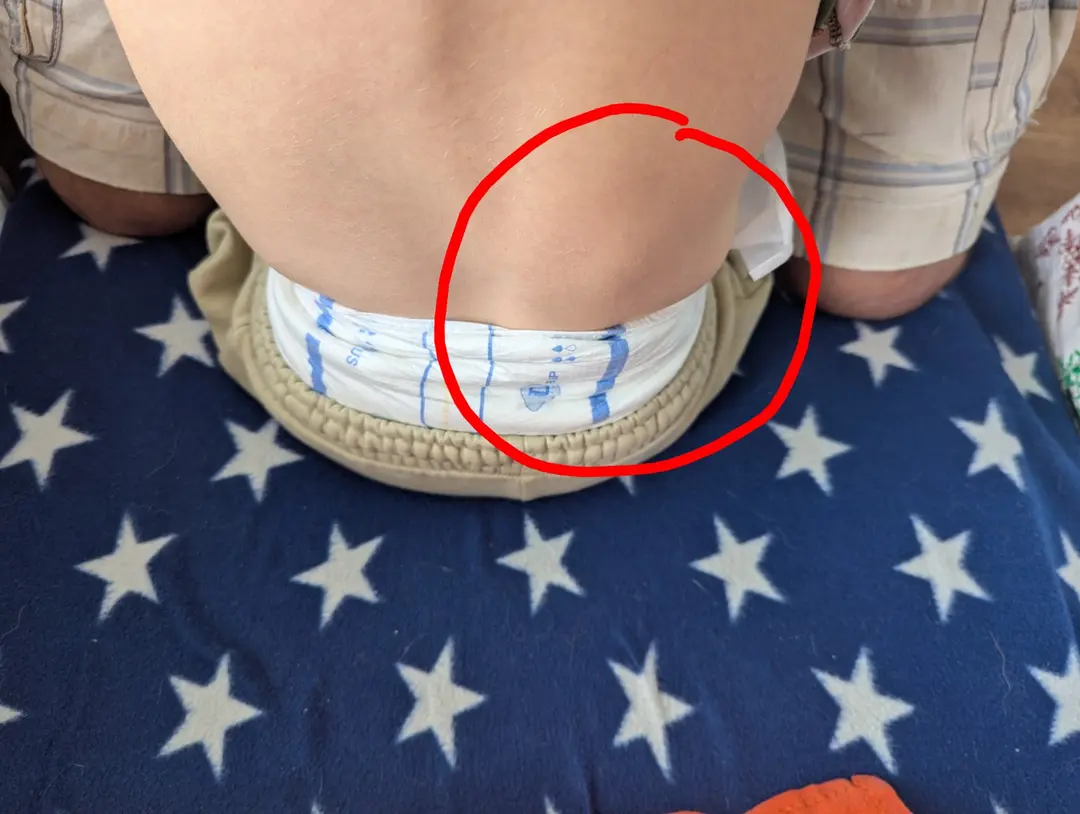
Lump on Back
What is it?
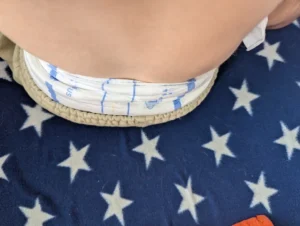
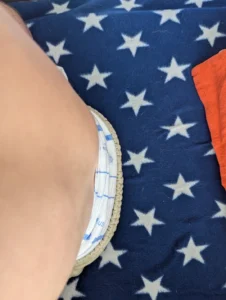
Lumbar Muscle Bulk (Positional Soft-Tissue Fold)
This is a long-standing, harmless prominence of the muscles and soft tissue in the lower back. It becomes more noticeable in certain positions, such as sitting or leaning forward, and disappears when lying flat. It is not a broken rib and does not appear to be causing any pain or discomfort.
What to Look Out For
Report any of the following changes:
- The bulge does not disappear when lying flat.
- Noticeable increase in size or change in shape.
- Becomes hard, firm, or fixed in place.
- Redness, warmth, swelling, or broken skin develops.
- Fluid or pus is present.
- The area becomes painful or tender.
- New guarding, distress, or changes in movement or positioning.